MUHCS 2.0 HNUAIA CASE MANAGEMENT LEH ASSISTIVE CARE WORKSHOP NEIH A NI
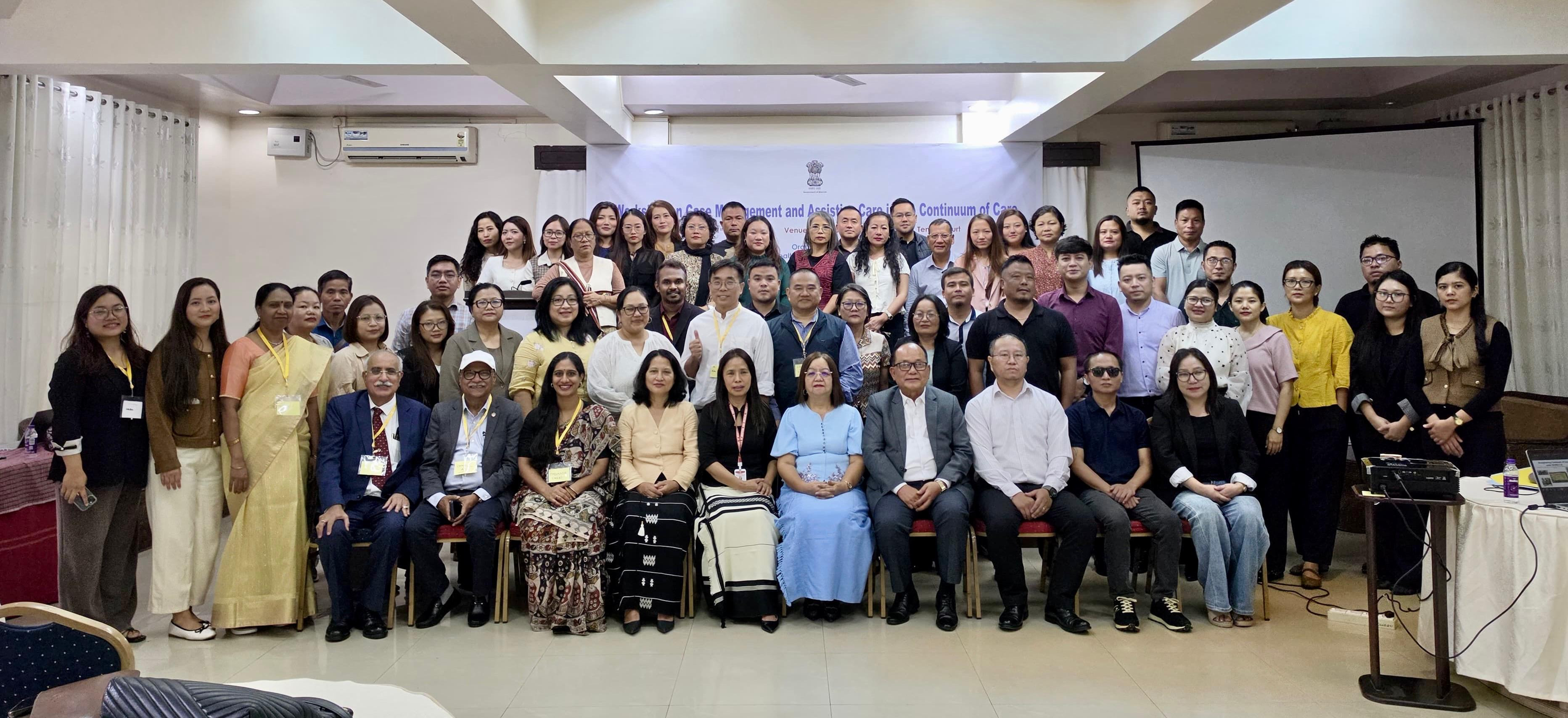
Aizawl, August 17, 2026: Mizoram-a healthcare system tha zawk leh mipui an mamawh ang taka enkawl theihna turin “Strengthening the Continuum of Care under MUHCS 2.0: Integrated Capacity-Building Workshops on Assistive Care and Technology for Inclusive Health Systems” tih thupui hmangin workshop buatsaih a ni. He workshop hi Case Management and Assistive Care in the Continuum of Care tih thupui hmangin August 17–21, 2026 chhungin neih a ni a. Workshop hi R.B. McCabe Hall, Aijal Club, hman a ni. He hunah hian health sector-a thawktu te, NGO-te leh PHC-te aiawh te telin case management leh assistive care chungchangah thiamna leh hriatthiamna chungchangah training leh workshop hi neih a ni.
Workshop-ah hian Pi Vanlaldiki Sailo, Commissioner PWD chu Chief Guest niin, Dr. Catherine Ngurbiakveli, Addl. Director, DHME, chu Chairperson a ni. Chairperson-in welcome address a sawi a, chutih rualin ADB consultant-te pawhin MUHCS-2.0 leh assistive care chungchangah thu an sawiin, Chief Guest hnen atangin Kum upa leh rualbanlo ten Assisstive Care leh Technology te tangkai zawka MUHCS kaltlanga an lo hman theih daann tur ngaihtlak a ni. Dr. Patanjali Dev Nayar chuan “Introduction to ADB support to MUHCs-2” tih thupui hmangin presentation a pe. ADB consultant Dr. Chapal Khasnabis chuan vote of thanks a pe bawk.
Workshop buatsaih chhan pawimawh tak pakhat chu health-care service a mamawh hrang hrangte chu an mamawh dan a zirin enkawl leh support pek dan kawng tha zawk siam hi a ni. Case management hi patient emaw service user emaw mamawh dan hriatthiam, risk assess, service hrang hrangte nena inlaichin, an mamawh service an dawn theihna turin follow-up tihpui leh an dinhmun vil rengna ah pawimawh hle a ni.
Workshop hi Module hrang hrangah then a ni a. Module 1 atan “Continuum of Care, MUHCS 2.0 & Mizo Care Model, Introduction to the new Case Management System” tih thupui sawiho a ni. He module hi ADB Consultant leh Assistive Technology Advisor Chapal Khasnabis -in present a. He session-ah hian continuum of care awmzia, MUHCS 2.0 hnuaia care model thar leh case management system thar chungchang te sawiho a ni. Module 1 zawh hnuah workshop telte tan interactive discussion leh reflection hun pek a ni. Ministry, NGO leh PHC aiawhte chuan an thil tawn leh an field-a case management hna an thawh dan chungchangte an inhrilh tawn a. He inrawnkhawmna hi policy leh programme siamtu te leh ground level-a service petute inkungkaihnna tihchak theihna tur pawimawh tak niin a lang.
Module 2 ah “Policies, Financial Schemes, Services, & Assets Benefits of MUHCS, funded programs, and existing community policies” tih thupui sawiho a ni. He session-ah hian MUHCS hnuaia policy hrang hrang, financial scheme, service leh benefit awmte, funded programme leh community policy awm mek te chungchangah hriatthiamna pek tum a ni. He module hi Dr. Robert L. Khawlhring, State Nodal Officer for Mental Health Care and Disability Programme in a present a. Mental health leh disability service-te hi continuum of care-ah pawimawh tak an nih avangin, service hrang hrangte inkungkaih tlat dan leh mamawhtute hnena service an thlen dan tih that dan kawng hrang hrang a sawi a ni.
Workshop-ah hian policy chauh ni lovin risk screening leh risk stratification pawimawhna pawh sawiho a ni. Module 3 ah “Risk Screening and Risk Stratification: How to utilize the Risk Screening Tool” tih thupui hmangin participant-te hnenah risk screening tool hman dan leh risk hrang hrangte thliar hran dan zirpui a ni. He module hi ADB Consultant leh Assistive Care Services Specialist Dr. Ng Wai Chong-in present a. Risk screening hi patient emaw service user emaw an dinhmun hriatthiamna leh an mamawh service rang taka pek theihna atan pawimawh tak a ni. Risk level hriat chiang hnuah service mamawh berte hnenah hun taka referral leh support pek theihna turin case management system hman dan tihchak chungchang a zirtir a ni.
Workshop-ah hian assistive care leh assistive technology pawh ngaihven bik a ni. Mi pakhatin disability emaw health-related challenge emaw an neih chuan an nitin nunah independent taka nun theihna tur leh khawtlanga an tel theihna turin assistive product leh technology hmanpui theihna hi pawimawh tak a ni. Chuvangin health system-ah treatment chauh ni lovin, patient nunphung leh khawtlanga an telna tur pawh ngaihven a tul hle a ni. He workshop hi health-care professionals leh stakeholder-te thiamna tihpunna tur capacity-building programme pawimawh tak niin, case management, assistive care leh inclusive health system chungchangah hriatthiamna tha zawk neihtir tum a ni. Workshop chhung hian participant-te chuan presentation chauh an ngaithla lovin, discussion, reflection leh practical application hmangin an zir tawn bawk.
Health service hi hospital emaw clinic emaw-ah chauh pek tur ni lovin, khawtlan, chhungkua leh patient nunphung nen inzawm tlat a nih avangin, continuum of care hi hun kal zel atan pawimawh hle. Case management system tha takin patient mamawh hrang hrangte thliar hrangin, service provider-te nen an inkungkaih theihna a siam a, follow-up leh long-term support pawh tihchak theih a ni. He workshop hmang hian Mizoram health system-a thawktu te chu case management leh assistive care chungchangah thiamna thar an neih belh ang a, MUHCS 2.0 hnuaia service delivery tihtha zawkna turah an chanvo an hlen theihna tur beisei a ni. Inclusive health system dinhmun tha zawk siam hi sorkar, health-care provider, NGO leh community-te thawhhona a ngai a, he workshop pawh chu chutiang thawhhona tihchakna turah hma pawimawh tak niin a lang.
A tlangpuiin, Case Management and Assistive Care in the Continuum of Care workshop hi Mizoram-a health service pek dan leh care coordination tihtha zawkna turin hma pawimawh tak a ni. MUHCS 2.0 hnuaia care model thar leh assistive care technology-te hman thiamna tihpun hmangin, mamawhtute hnenah hun taka service leh support an thlen theihna turin health sector-a stakeholder-te thiamna tihchak hi he programme-in a tum ber a ni.
Attachment